

Have you ever had a thought that stayed in your head all day?Maybe you remembered something funny your friend said. Maybe you saw an old house while walking and started wondering who used to live there. Or perhaps you woke up from a strange dream and thought, “That would make a good story.”That little moment of wondering is often where creative writing begins.You don’t need a fancy desk, an expensive laptop, or a shelf full of writing awards. Sometimes all you need is a quiet corner, a notebook, and a thought that refuses to leave you alone.Creative writing is simply the art of turning thoughts, feelings, imagination, memories, and observations into words.It can make someone laugh. It can make them cry. It can remind them of their childhood. Sometimes, a few simple words can make a reader feel like they are standing inside a completely different world.And here’s the good news for beginners: you don’t have to be naturally talented to start creative writing.Writing is a skill.Like growing a small garden, it needs patience, attention, practice, and a little care.
What Is Creative Writing?

Creative writing is writing that uses imagination, storytelling, emotion, description, and personal expression to communicate an idea or experience.
It can be completely fictional, based on real life, or somewhere in between.
A writer might create a story about a person who never existed, describe a childhood memory, write a poem about rain, or create an imaginary world on another planet.
Creative writing can include many different forms.
Type of Creative Writing What It Includes
Short Stories Fictional stories with characters and events
Novels Longer stories with developed characters and plots
Poetry Emotional or imaginative writing using rhythm and imagery
Creative Nonfiction Real experiences told through storytelling
Personal Essays Personal thoughts, experiences, and reflections
Scripts Writing for films, television, or theater
Flash Fiction Very short stories built around one idea or moment
Journaling Personal thoughts, memories, feelings, and observations
At its heart, creative writing isn’t really about using big or complicated words.
It’s about making simple words mean something.
Why Is Creative Writing Important?

You might be wondering, “Why should I learn creative writing if I don’t want to become an author?”
That’s a completely reasonable question.
Creative writing can be useful in everyday life too.
It helps you express thoughts that are sometimes difficult to say aloud. It can make you a better communicator and help you understand your own feelings.
Writing can also strengthen imagination and encourage you to look at ordinary situations from a different angle.
Think about it.
You see the same tree every morning.
Most days, you probably don’t even notice it.
But one morning, you stop.
You notice the rough texture of the bark, the tiny leaves moving in the wind, the bird sitting quietly on one branch.
Nothing about the tree has changed.
You simply started paying attention.
That’s what creative writing teaches us to do.
It teaches us to notice the little things.
Creative Writing Is About More Than Making Up Stories
A common mistake beginners make is thinking creative writing always means fiction.
It doesn’t.
You can write creatively about something that really happened.
For example:
Simple version:
“I visited my grandmother during the summer.”
That’s a fact.
Now imagine writing:
“Every summer, my grandmother’s house smelled of jasmine and freshly cooked food. The old ceiling fan turned slowly above us while she told the same stories I’d heard since childhood.”
Now the reader can see and almost smell the place.
The event is real, but the way you describe it gives the experience emotion and life.
That’s creative nonfiction.
You aren’t inventing the memory.
You’re simply bringing it to life with words.
What Makes Creative Writing Different?

Creative writing focuses heavily on how something feels, not just what happened.
Consider these two sentences:
“It started raining.”
Simple and clear.
Now:
“Dark clouds gathered above the rooftops, and within minutes, rain began tapping softly against the windows.”
The second sentence creates a picture.
You can almost hear the rain.
That’s one of the biggest differences between ordinary information and creative writing.
You’re giving the reader something to experience.
The Important Ingredients of Creative Writing
You don’t need to follow a strict formula, but understanding a few basic elements can make writing much easier.
Characters
Characters are the people, animals, or imagined beings in your story.
The strongest characters usually feel like real people.
They have dreams, fears, habits, mistakes, secrets, and contradictions.
Think about yourself.
You aren’t happy every day.
You don’t always make perfect decisions.
Sometimes you say one thing and later wish you’d said something else.
Your characters can be like that too.
Perfect characters often feel unreal. Imperfect characters feel alive.
Setting
Setting tells us where and when a story happens.
It could be a crowded city, a quiet village, a school, a beach, a forest, or an imaginary planet.
But setting is more than a location.
It’s also about atmosphere.
A forest in the morning can feel peaceful.
The same forest at midnight can feel completely different.
The trees haven’t changed.
The feeling has.
Conflict
Stories need some kind of problem or challenge.
Maybe a character wants something but can’t have it.
Maybe they are afraid to make a decision.
Maybe they have lost someone.
Maybe they’re trying to discover the truth.
Conflict gives the story somewhere to go.
Without conflict, a story can feel like a long walk with no destination.
Emotion
Emotion is what gives a story its heartbeat.
Readers may forget a character’s exact words, but they’ll often remember how that character made them feel.
A story can create excitement, sadness, comfort, fear, nostalgia, hope, or joy.
And sometimes the quietest emotions are the ones that stay with us longest.
Learn to “Show” Instead of Always “Tell”

You’ve probably heard the writing advice “show, don’t tell.”
It simply means that instead of directly naming an emotion, you can sometimes let the reader discover it through actions and details.
Telling:
“She was nervous.”
Showing:
“She checked her phone again, rubbed her palms against her jeans, and looked at the door every few seconds.”
We understand that she’s nervous without being told.
Here’s another example.
Telling:
“He was sad.”
Showing:
“He opened the old photograph, stared at it for a while, and quietly placed it back inside the drawer.”
The second version gives the reader room to feel the emotion.
That’s the magic of creative writing.
Use the Five Senses
One simple way to make your writing more natural and vivid is to involve the senses.
Ask yourself:
1.What can my character see?
2.What can they hear?
3.What can they smell?
4.What can they touch?
5.What can they taste?
For example, instead of saying:
“The market was crowded.”
You might write:
“Voices bounced between the stalls while the smell of roasted spices and fresh fruit filled the warm afternoon air.”
Now we’re not just told that the market is crowded.
We’re there.
Sense Example
Sight Golden sunlight slipped through the trees
Sound Rain whispered against the roof
Smell The room smelled of coffee and old books
Touch The cold handle sent a shiver through her fingers
Taste The soup tasted warm, salty, and smoky
You don’t need to describe everything.
Choose the details that actually matter.
Find Your Own Writing Voice

Your writing voice is what makes your writing sound like you.
Some writers are funny.
Some are serious.
Some are emotional.
Some are simple and quiet.
Others are energetic and playful.
Don’t worry too much about sounding like a professional writer when you’re just beginning.
Read good writers.
Learn from them.
Notice how they describe people and places.
But don’t become obsessed with copying them.
Your voice grows naturally through practice.
At first, your writing may feel strange.
You may read it and think, “This doesn’t sound like me.”
That’s okay.
Keep writing.
Eventually, your natural rhythm begins to appear.
Start With Something You Know
If you’re new to creative writing, don’t feel pressured to invent an enormous fantasy world.
Start with something familiar.

Write about:
Your childhood home
A memorable journey
A childhood friend
A family tradition
Your favorite place
A difficult day
A funny mistake
Someone you miss
A smell that reminds you of home
Take something ordinary and look at it differently.
A cup of tea can become a story.
A rainy afternoon can become a memory.
An old photograph can become a mystery.
Ordinary life is full of stories when you slow down enough to notice them.
Don’t Wait for Inspiration
Many beginners believe writers only write when inspiration arrives.
That’s a lovely idea, but real life doesn’t always work that way.
Some mornings, the words flow easily.
Other days, you stare at the blank page thinking:
“I have absolutely nothing to say.”
It happens.
Write anyway.
Start with one sentence.
Then another.
Don’t worry about making it beautiful.
You can fix it later.
A messy first draft is much more useful than a perfect idea that never reaches the page.
You can’t edit a blank page.
Practice With Simple Writing Prompts
If your mind feels empty, use a prompt.
Try:
Write about a place you haven’t visited in years.
A stranger leaves a note at your door.
Write about a rainy morning without using the word “rain.”
Two old friends meet after twenty years.
Someone finds a photograph with an unfamiliar person in it.
Write about the last day of summer.
A child discovers something buried in a garden.
Start a story with: “I knew something was wrong when the lights went out.”
Don’t worry about creating a masterpiece.
The goal is to get your imagination moving.
Read Like a Writer

Reading is one of the best ways to improve your writing.
But sometimes, try reading like a writer rather than only as a reader.
When a sentence makes you stop, ask yourself:
Why did that sentence work?
When a character feels real, ask:
What made me believe in this person?
When a story makes you emotional, ask:
How did the writer create that feeling?
Pay attention to dialogue, descriptions, pacing, character development, openings, and endings.
You don’t need to analyze every book.
Just become more observant.
Write First and Edit Later
Trying to write and edit at the same time can make writing exhausting.
You write a sentence.
Delete it.
Write another.
Change one word.
Delete that too.
Suddenly, half an hour has passed.
Instead, separate the process.
First draft: Get the ideas out.
Second draft: Improve the story.
Final edit: Polish the language.
Your first draft is allowed to be messy.
In fact, it probably should be.
Writing is often less like building a perfect house and more like finding your way through a forest. You don’t always know the exact path when you begin.
Sometimes you discover the path while walking.
Common Creative Writing Mistakes
Mistake Better Approach
Using complicated words Use clear, natural language
Making every character perfect Give characters flaws
Explaining every emotion Show emotions through actions
Over-describing everything Choose meaningful details
Editing too early Finish the first draft
Copying another writer Develop your own voice
Waiting for inspiration Create a regular writing habit
Making stories unnecessarily complicated Start with one strong idea
Mistakes don’t mean you’re bad at writing.

They mean you’re learning.
How Can Beginners Improve Their Creative Writing?
You don’t need to write for five hours every day.
Start small.
Write for ten or fifteen minutes.
Keep a notebook nearby.
Write down interesting conversations, unusual observations, memories, dreams, and little moments that make you curious.
Read different kinds of writing.
Try poetry even if you normally read novels.
Try fiction if you usually write personal essays.
Experiment.
And occasionally go back to something you wrote months ago.
FAQ’S
1. What is creative writing?
Creative writing is a form of writing that uses imagination, storytelling, emotions, and personal ideas to communicate with readers. It includes stories, poems, novels, scripts, personal essays, and other expressive forms of writing.
2. What are the main types of creative writing?
The main types include fiction, poetry, creative nonfiction, screenwriting, short stories, novels, memoirs, and personal essays. Each type gives writers a different way to express ideas and emotions.
3. Is creative writing difficult for beginners?
Creative writing can feel difficult at first, but it becomes easier with practice. You don’t need perfect grammar or brilliant ideas every time. Start small, write honestly, and improve as you go.
4. How can I start creative writing as a beginner?
Start by writing about something you know, remember, imagine, or feel strongly about. Try keeping a notebook and writing for 10–15 minutes a day without worrying too much about mistakes.
5. Do I need natural talent to become a creative writer?
No. Talent can help, but practice matters more than natural ability. Like growing a small garden, good writing develops slowly through patience, reading, experimenting, and rewriting.

Dialogue Writing Tips: Make Your Characters Feel Real
Good dialogue can make a story feel alive. You can have a fascinating plot, beautiful…
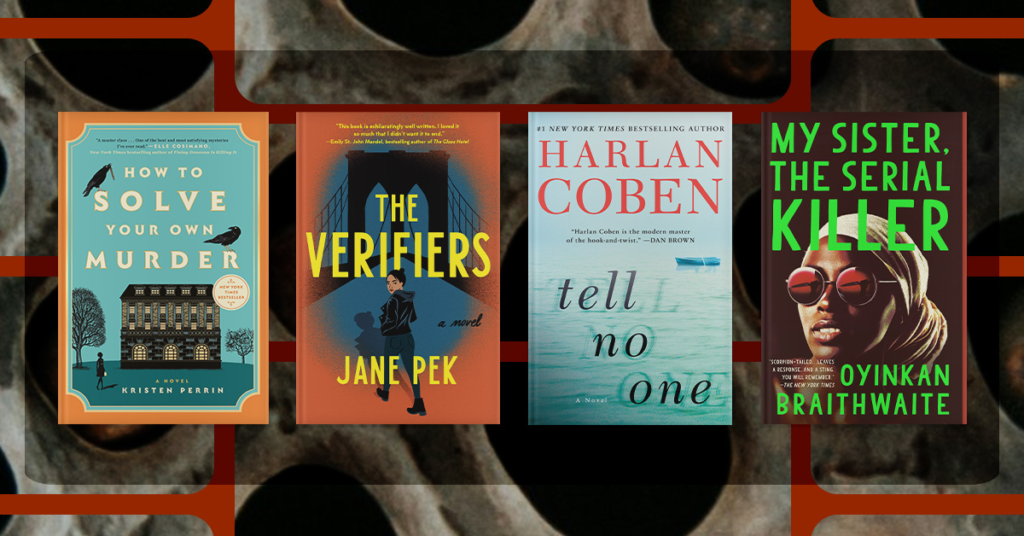
Mystery & Thriller Books: Explore Secrets, Clues & Twists
There is something special about a book that makes you say, “Just one more chapter.”Mystery…

Photography & Visual Art: Inspiring Ideas for Better Photos
A good photograph doesn’t always need an expensive camera, perfect lighting, or a complicated editing…

The Ultimate Guide to Simple Daily Habits for Better Wellness
Wellness doesn’t always require a Healthy Daily Habits: routine, an expensive gym membership, or a…

Networking & Wi-Fi Devices: Complete Guide to Better Internet
A reliable internet connection has become part of everyday life.We use Wi-Fi for work, entertainment,…

How to Tell Captivating Stories That Truly Engage Readers
A good story embodies Storytelling beyond merely passing information from one person to another. It…