
A good photograph doesn’t always need an expensive camera, perfect lighting, or a complicated editing setup. Sometimes, the best photo happens when you simply notice something other people walk past—a beautiful shadow on a wall, sunlight coming through a window, or an ordinary street that suddenly looks different after rain.
Photography is about seeing, not just pressing a shutter button.
Whether you’re using a smartphone, a compact camera, or a professional DSLR or mirrorless camera, understanding a few simple visual principles can help you create photos that feel more intentional, interesting, and personal.
What Is Photography & Visual Art?
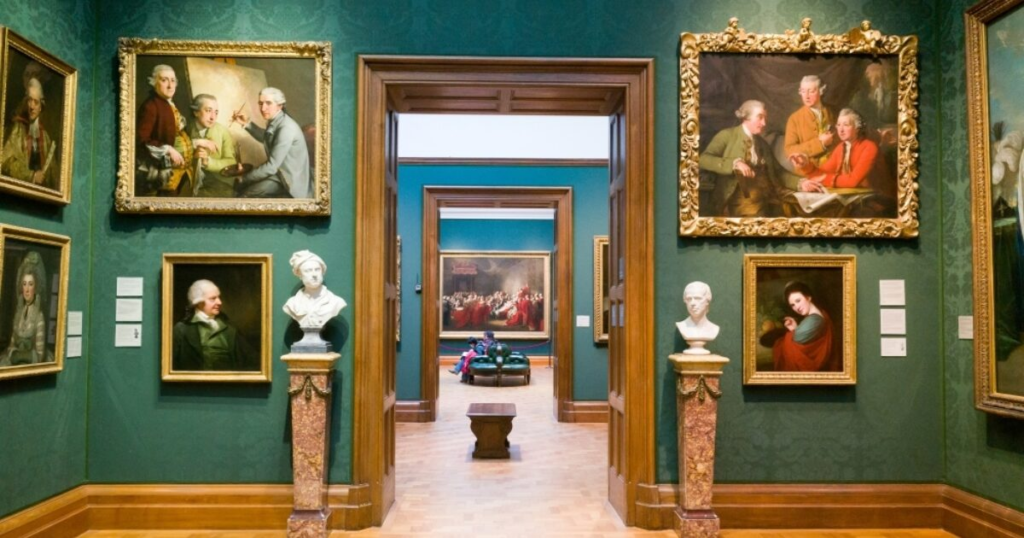
Photography is the process of creating images by capturing light, while visual art is a broader creative field that includes photography, illustration, painting, graphic design, digital art, and other forms of visual expression.
Photography sits naturally within visual art because it allows people to communicate ideas, emotions, stories, and perspectives through images.
Two photographers can stand in exactly the same location and take completely different pictures. One may focus on a person’s expression, another on the architecture, and another on the way sunlight falls across the street.
That difference is what makes photography personal.
Why Is Photography More Than Taking Pictures?
It is easy to think that photography is simply about having a good camera. In reality, equipment is only one part of the process.
A stronger photograph often comes from:
- Choosing an interesting subject
- Finding the right angle
- Understanding light
- Creating visual balance
- Waiting for the right moment
- Keeping the composition simple
- Knowing what to leave outside the frame
Your camera records the scene, but your choices create the photograph.
This is why a simple phone photo can sometimes feel more powerful than a technically perfect image.
Start With Light
Light is one of the most important elements in photography.
Before taking a picture, look at where the light is coming from. Is it soft or harsh? Is your subject brightly lit or partly hidden in shadow? Does the light create an interesting pattern?
Try Different Types of Light
| Lighting Type | Visual Effect | Good For |
|---|---|---|
| Soft window light | Natural and gentle | Portraits |
| Golden-hour light | Warm and atmospheric | Landscapes |
| Backlight | Creates silhouettes and glow | Creative portraits |
| Side light | Adds depth and texture | Architecture |
| Overcast light | Soft and even | Outdoor portraits |
| Hard sunlight | Strong shadows and contrast | Street photography |
You don’t need expensive lighting equipment to practice. A window can become your studio, and morning or evening sunlight can completely change an outdoor scene.
Use the Rule of Thirds
The rule of thirds is one of the easiest composition techniques to learn.
Imagine dividing your image into nine sections using two horizontal and two vertical lines. Instead of placing your subject directly in the middle, try positioning it near one of the intersections.
For example, when photographing a person looking toward the side of the frame, leaving some space in the direction they are looking can make the image feel more natural.
The rule of thirds isn’t a strict law. Think of it as a starting point for better composition.
Don’t Be Afraid of Negative Space
Negative space is the relatively empty area surrounding the main subject.
A large open sky around a small person, for example, can create a feeling of solitude or scale.
Negative space can make an image feel:
- Calm
- Minimal
- Spacious
- Elegant
- Dramatic
Sometimes, less in the frame creates more impact.
If your photograph feels crowded, take a step back and look at what happens when you give the subject more breathing room.
Look for Leading Lines
Leading lines are visual elements that naturally guide the viewer’s eyes through an image.
Roads, fences, bridges, staircases, buildings, rivers, and even shadows can act as leading lines.
For example, a long pathway beginning at the bottom of the photograph can guide the viewer toward a person or building in the distance.
When you’re outside, ask yourself:
“Where does my eye go first?”
Then look for lines that can guide the viewer toward the most important part of your photograph.
Change Your Camera Angle

One of the easiest ways to make ordinary subjects more interesting is to change your perspective.
Instead of taking every photo from eye level, try:
- Shooting from a low angle
- Photographing from above
- Moving closer
- Stepping farther away
- Shooting through a doorway
- Using reflections
- Framing your subject with objects
A coffee cup on a table may look ordinary from a normal sitting position. Move closer, shoot from the side, add window light, and suddenly the image can have a completely different mood.
Perspective changes the story.
Keep Backgrounds Clean
A beautiful subject can lose attention if the background is distracting.
Before taking the photograph, quickly scan the edges of your frame.
Look for:
- Random objects
- Bright spots
- Messy backgrounds
- People unintentionally appearing behind your subject
- Poles or branches that seem to grow out of someone’s head
You don’t always need to edit these distractions later. Often, simply moving a few steps can solve the problem.
Learn to Notice Color
Color can dramatically change the feeling of an image.
Warm colors such as orange, red, and yellow can create an energetic or cozy feeling. Cool colors such as blue and green can feel calm, quiet, or atmospheric.
You can also create strong images by looking for complementary colors.
For example:
| Color Combination | Possible Visual Feeling |
|---|---|
| Blue + Orange | Strong contrast |
| Green + Red | Bold and energetic |
| Yellow + Blue | Bright and lively |
| Black + White | Classic and dramatic |
| Beige + Brown | Warm and natural |
You don’t need every color in a photograph. Sometimes one strong color against a simple background creates the most memorable image.
Tell a Story With Your Photos
A technically good photograph can still feel empty if there is no reason for the viewer to care about it.
Think about the story behind the image.
A photograph of an old pair of shoes could be about travel, age, work, memory, or someone’s daily routine. The object itself is simple, but the context gives it meaning.
Before taking a photograph, ask:
What do I want someone to feel or notice?
That question can change the way you approach photography.
Try Street Photography
Street photography is an excellent way to improve observation skills.
You don’t need a dramatic event. Ordinary moments can become interesting:
- Someone waiting for a bus
- A shop opening in the morning
- Children playing
- Reflections after rain
- A busy market
- A quiet alley
- Shadows crossing a wall
The key is patience.
Instead of walking around looking for “perfect pictures,” slow down and observe. Interesting moments often appear when you stop searching too hard for them.
Always respect people’s privacy, local laws, and reasonable expectations when photographing others.
Explore Portrait Photography
Good portraits are about more than showing someone’s face.
Pay attention to:
- Expression
- Body language
- Background
- Lighting
- Clothing
- Composition
- Connection between photographer and subject
A natural conversation can sometimes produce a better portrait than asking someone to hold a stiff pose.
Try photographing people while they are doing something they genuinely enjoy. Authentic moments often feel more natural than forced expressions.
Capture Nature and Landscapes
Nature photography gives you countless opportunities to practice composition.
Instead of photographing an entire landscape every time, experiment with details.
You might photograph:
- A single leaf
- Tree bark
- Water droplets
- Mountain shadows
- Clouds
- Flowers
- Birds
- Reflections
- Sunlight through branches
For landscapes, foreground elements can add depth. A rock, plant, pathway, or fence in the foreground can help the viewer feel like they are actually standing inside the scene.
Try Minimalist Photography
Minimalist photography focuses on simplicity, space, and a clear subject.
Imagine a single red chair in an otherwise empty room. The simplicity makes the chair visually important.
To create minimalist images:
- Choose one main subject.
- Remove unnecessary distractions.
- Use simple backgrounds.
- Look for clean shapes.
- Experiment with negative space.
Minimalism is a useful reminder that you don’t need to fill every part of a photograph.
Experiment With Black-and-White Photography
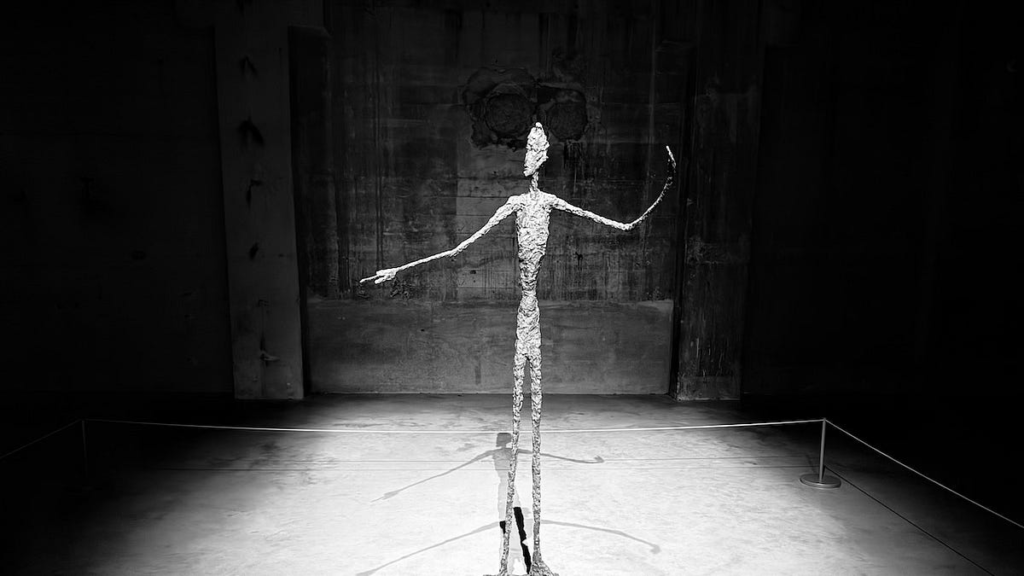
Removing color can change the way viewers see an image.
Black-and-white photography places greater attention on:
- Light
- Shadows
- Texture
- Shapes
- Expressions
- Contrast
A colorful scene may look ordinary in color but become surprisingly dramatic when converted to black and white.
Try it with architecture, portraits, street scenes, and textured objects.
Use Reflections Creatively
Reflections can add another visual layer to a photograph.
Look for reflections in:
- Puddles
- Windows
- Mirrors
- Glass buildings
- Lakes
- Car surfaces
- Polished tables
After rain, don’t immediately avoid puddles. Get lower to the ground and see whether the reflection creates an interesting composition.
Sometimes the second image is hiding inside the first.
Practice With Everyday Objects
You don’t need to travel to an exotic location to improve your photography.
Pick an ordinary object—a cup, book, plant, watch, pair of shoes, or piece of fruit—and photograph it in five different ways.
Change:
- Lighting
- Distance
- Angle
- Background
- Composition
This simple exercise teaches an important lesson: interesting photography can come from seeing familiar things differently.
Basic Photography Settings to Understand
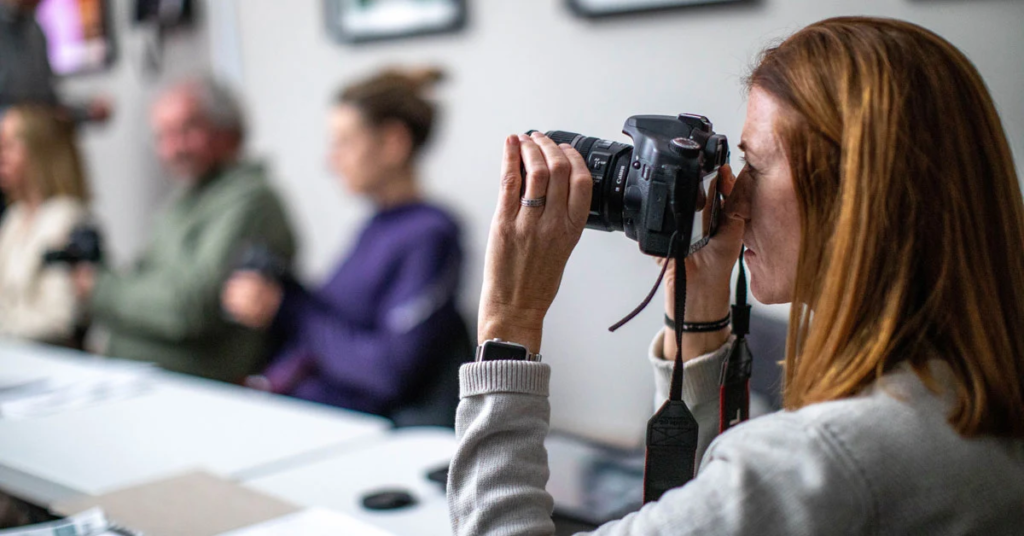
You don’t need to master every camera setting immediately. Start with the basics.
| Setting | What It Controls |
|---|---|
| ISO | Camera sensitivity to light |
| Aperture | Lens opening and depth of field |
| Shutter speed | How long the camera captures light |
| Exposure | Overall brightness of the image |
| Focus | Which part of the scene appears sharp |
If you’re using a smartphone, many of these controls may be automated. That’s perfectly fine.
Start with composition and light first. Technical knowledge becomes much more useful when you understand why you’re changing a setting.
Don’t Overedit Your Photos
Editing can improve a photograph, but too much editing can make an image feel unnatural.
Start with basic adjustments such as:
- Exposure
- Contrast
- Highlights
- Shadows
- White balance
- Cropping
- Sharpness
Try to improve the photograph rather than completely change it.
A good editing habit is to make a change, step away for a moment, and then look again. If the edit is the first thing you notice, it may be too strong.
Build Your Own Visual Style
Your photography style doesn’t need to appear overnight.
It develops naturally as you discover what you enjoy photographing.
Maybe you love:
- Moody street scenes
- Bright travel photos
- Minimalist compositions
- Black-and-white portraits
- Nature details
- Architecture
- Food photography
- Colorful everyday moments
Save photographs that inspire you and ask yourself what exactly you like about them.
Over time, you’ll start noticing patterns in your own work.
Simple Photography Practice Plan
If you want to improve, consistency matters more than owning the latest equipment.
Try this seven-day challenge:
| Day | Photography Challenge |
|---|---|
| Monday | Photograph interesting light |
| Tuesday | Practice the rule of thirds |
| Wednesday | Find five leading lines |
| Thursday | Take minimalist photos |
| Friday | Photograph a person naturally |
| Saturday | Explore reflections |
| Sunday | Edit and review your favorite images |
At the end of the week, choose your three favorite photographs.
Don’t only ask which one looks “best.” Ask why it works.
That reflection is part of learning.
Common Photography Mistakes to Avoid
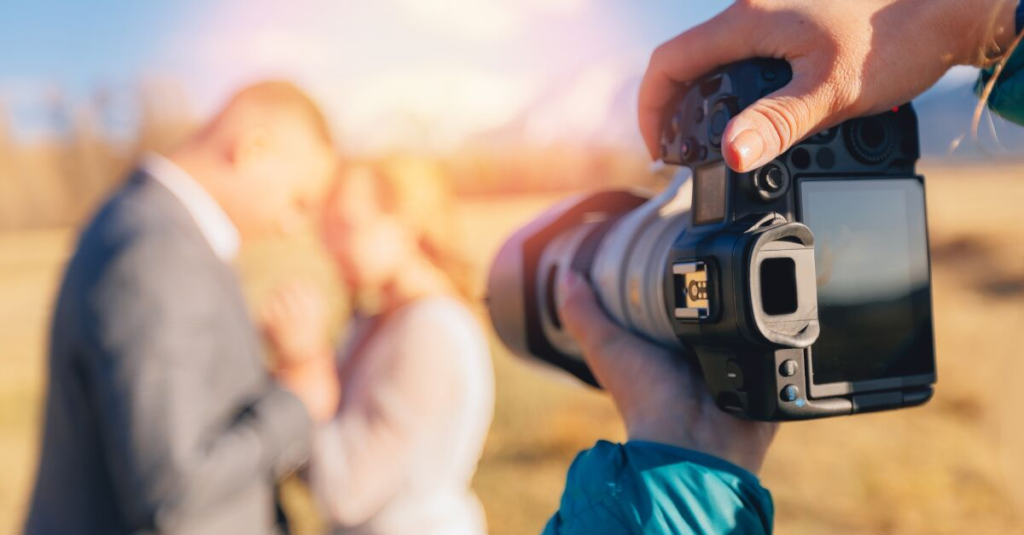
Even experienced photographers make mistakes. The important thing is learning from them.
Taking Every Photo at Eye Level
Changing your position can immediately create a different perspective.
Ignoring the Background
A distracting background can pull attention away from your subject.
Relying Too Much on Filters
Strong filters can hide rather than improve the original photograph.
Waiting for Perfect Equipment
A better camera can provide more technical possibilities, but it won’t automatically create better ideas.
Taking Too Many Similar Photos
Instead of taking twenty almost identical shots, change your angle, distance, or composition.
FAQ’S
1. What is photography and visual art?
Photography and visual art are creative forms of expression that use images, composition, color, light, and design to communicate ideas, emotions, and stories.
2. How can I take better photos?
Start by improving lighting, composition, camera angle, focus, and backgrounds. Regular practice can help you develop a stronger eye for interesting photographs.
3. Do I need an expensive camera to take good photos?
No. A smartphone can capture excellent photographs. Good lighting, thoughtful composition, and creativity often matter more than expensive equipment.
4. What is the rule of thirds in photography?
The rule of thirds divides an image into nine sections. Placing the main subject near the lines or intersections can create a more balanced and visually interesting composition.
5. Why is lighting important in photography?
Lighting affects the mood, brightness, shadows, colors, and details in a photograph. Learning to observe and use available light can significantly improve your images.

Dialogue Writing Tips: Make Your Characters Feel Real
Good dialogue can make a story feel alive. You can have a fascinating plot, beautiful…

Mystery & Thriller Books: Explore Secrets, Clues & Twists
There is something special about a book that makes you say, “Just one more chapter.”Mystery…

Photography & Visual Art: Inspiring Ideas for Better Photos
A good photograph doesn’t always need an expensive camera, perfect lighting, or a complicated editing…

The Ultimate Guide to Simple Daily Habits for Better Wellness
Wellness doesn’t always require a Healthy Daily Habits: routine, an expensive gym membership, or a…

Networking & Wi-Fi Devices: Complete Guide to Better Internet
A reliable internet connection has become part of everyday life.We use Wi-Fi for work, entertainment,…

How to Tell Captivating Stories That Truly Engage Readers
A good story embodies Storytelling beyond merely passing information from one person to another. It…