

Dementia is often seen as a disease of old age—something that affects people in their 60s, 70s, or beyond. But a heartbreaking case has shattered this belief. The death of the youngest known dementia patient, just 24 years old, has shocked the world and forced doctors, researchers, and families to rethink everything they thought they knew about brain health.
This tragic story is not just about loss—it is a powerful reminder that rare brain diseases do not follow age rules.
Understanding the Rare Brain Disease Behind the Tragedy
The young patient was diagnosed with Frontotemporal Dementia (FTD), a rare and aggressive form of dementia that affects the frontal and temporal lobes of the brain. These areas control:
- Personality and behavior
- Speech and language
- Decision-making
- Emotional responses
Unlike Alzheimer’s disease, which usually begins with memory loss, FTD often starts with behavior changes, confusion, difficulty speaking, and emotional withdrawal.
What makes this case especially devastating is the extremely early onset. FTD typically appears between the ages of 45 and 65. Cases in people under 30 are almost unheard of.
Why This Case Shocked the Medical World
Doctors revealed that brain scans showed damage similar to that of a 70-year-old patient. Over time, the disease progressed rapidly, stripping away basic abilities such as speaking, walking, and recognizing loved ones.
Key reasons this case drew global attention:
- The youngest recorded dementia diagnosis
- Extremely fast disease progression
- Lack of effective treatment options for early-onset dementia
- Raised awareness about rare neurological disorders in young people
Medical experts believe genetic factors may have played a role, though research is still ongoing.
Early Warning Signs That Are Often Ignored
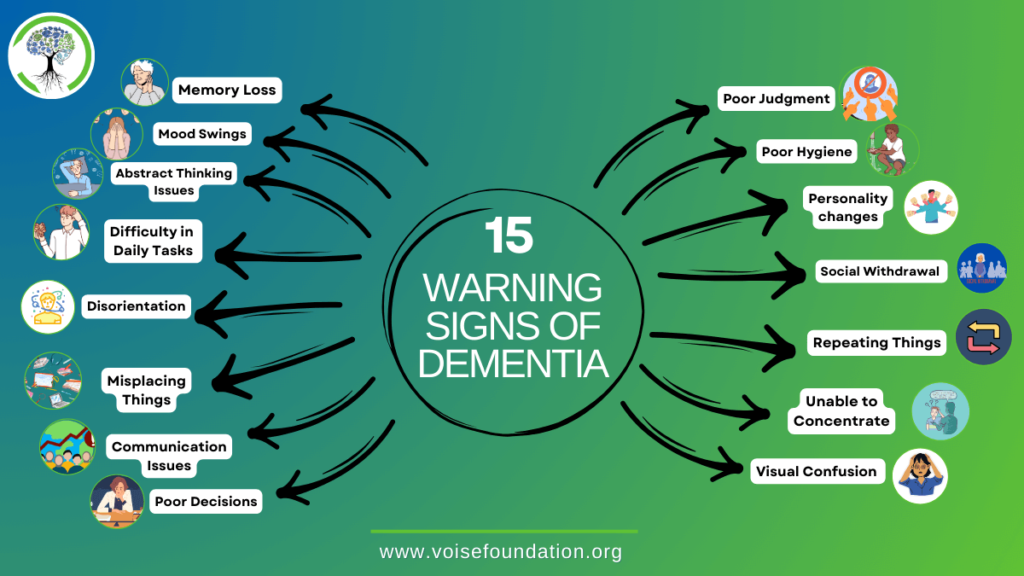
One of the most important lessons from this tragedy is the need to recognize early symptoms, especially in young individuals where dementia is rarely suspected.
Common early signs include:
- Sudden personality changes
- Loss of empathy or emotional connection
- Trouble forming sentences or understanding words
- Poor judgment and impulsive behavior
- Difficulty with coordination and movement
Because these symptoms can resemble stress, depression, or mental health issues, diagnosis is often delayed—sometimes with fatal consequences.
Donating Hope to Science
In an extraordinary act of courage, the patient’s family chose to donate his brain for scientific research after his death. This decision may help researchers:
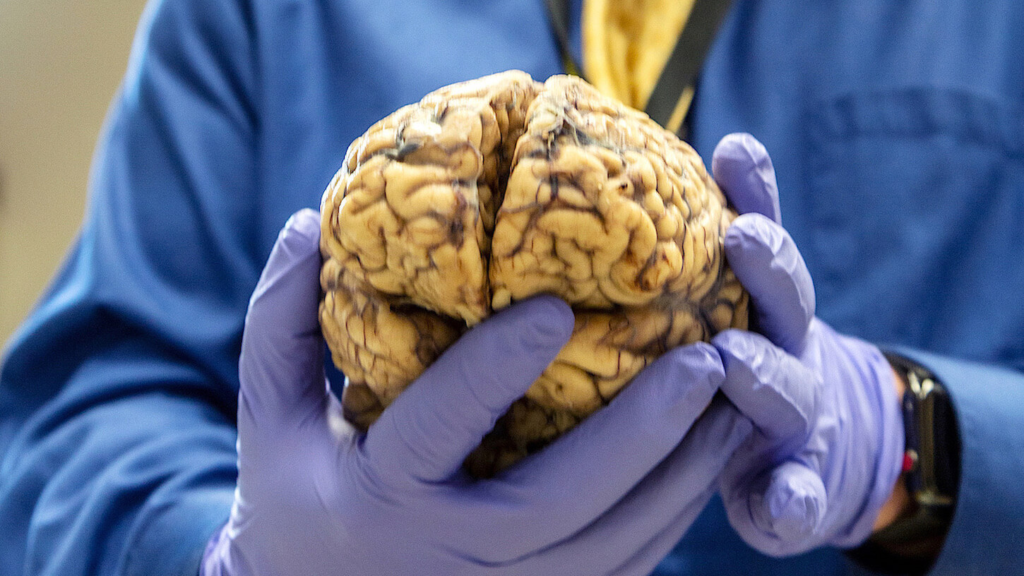
- Understand why dementia can strike so early
- Develop better diagnostic tools
- Explore potential treatments or preventive strategies
Their choice turned personal tragedy into hope for future generations.
Dementia Is Not Just an Old-Age Disease
This case challenges a deeply rooted myth. While age is a major risk factor, dementia can affect anyone, even young adults. Rare brain diseases like FTD, genetic disorders, and neurological conditions can silently develop long before symptoms are recognized.
The story reminds us that brain health deserves attention at every age, not just later in life.
What Can We Learn From This Tragic Loss?
- Never ignore drastic personality or behavior changes
- Take neurological symptoms seriously, regardless of age
- Support research into rare brain diseases
- Encourage open conversations about mental and brain health
Early awareness can save lives—or at least provide families with clarity, care, and support.
A Life Lost, A Message Gained
The death of the youngest dementia patient is a heartbreaking reminder of how fragile the human brain can be. Yet, through awareness, research, and compassion, this tragic story can help prevent others from suffering in silence.
Dementia has no age limit—but awareness can make all the difference.
The information provided in this article is for general informational and educational purposes only. It is not intended to be a substitute for professional medical advice, diagnosis, or treatment. Always seek the guidance of a qualified healthcare provider with any questions you may have regarding medical conditions, symptoms, or treatment options.
The content is based on publicly available information and general research at the time of writing. Medical knowledge and recommendations may change over time. The author and publisher do not assume responsibility for any errors, omissions, or outcomes resulting from the use of this information.
#DementiaAwareness #EarlyOnsetDementia #YoungestDementiaPatient #BrainHealth #RareDiseaseAwareness #FrontotemporalDementia #NeurologicalDisorders #Anslation #Carrerbook #MentalHealthAwareness #BrainDisease #HealthAwareness #MedicalNews #HealthBlog #ScienceNews #PublicHealth #RareDiseases #BrainResearch #HealthcareAwareness #MedicalAwareness #GlobalHealth #HealthEducation