

Overthinking doesn’t arrive loudly. It slips in quietly—one thought turning into another, one “what if” becoming a hundred imagined outcomes. At first, it feels like intelligence, like preparation, like being careful. But slowly, without warning, overthinking becomes the most expensive habit of the mind—costing peace, clarity, time, and emotional energy.
What makes overthinking dangerous is not how much we think, but how little we live while doing it.
What Exactly Is Overthinking?
Overthinking is the habit of replaying situations, analyzing possibilities that may never happen, and mentally living in the past or the future instead of the present.
It sounds like:
- “Did I say the wrong thing?”
- “What if everything goes wrong?”
- “I should have done better.”
- “What if they judge me?”
The mind keeps running, but no real solution arrives—only exhaustion.
Why Do We Overthink So Much?
Overthinking often comes from a need for control. When life feels uncertain, the mind tries to predict every possible outcome to feel safe. Ironically, this attempt to protect ourselves creates more anxiety.
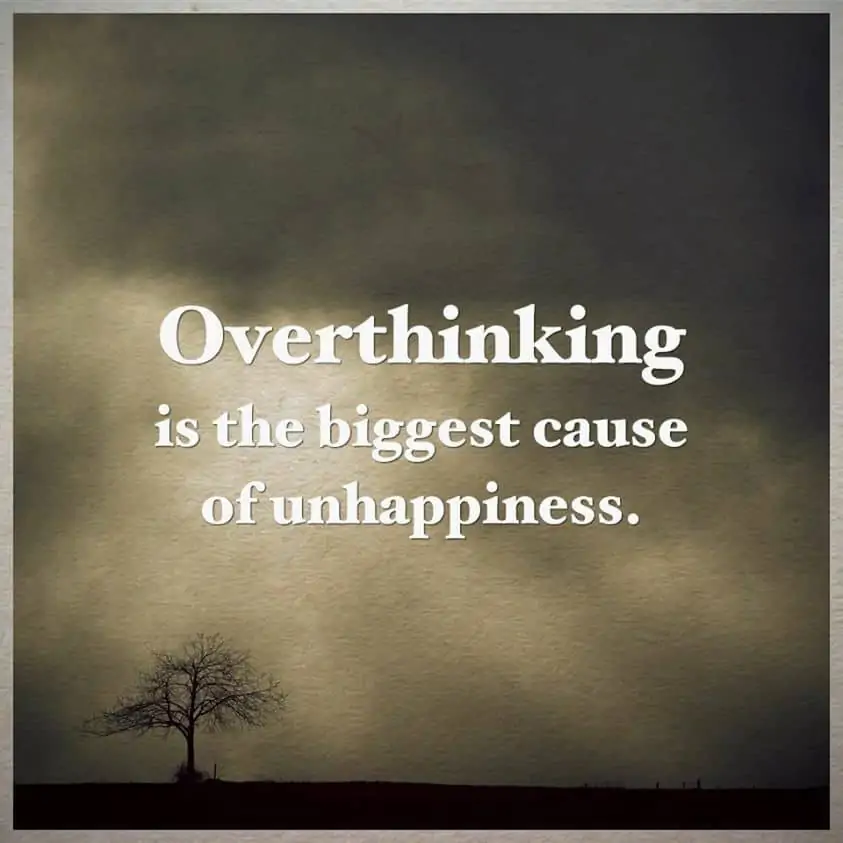
Common reasons people overthink include:
- Fear of failure or rejection
- Past emotional experiences
- Perfectionism
- Low self-trust
- Constant comparison with others
The more sensitive and self-aware a person is, the easier it becomes to fall into this mental loop.
The Hidden Costs of Overthinking
Overthinking doesn’t just affect your thoughts—it quietly affects your entire life.
1. It Steals Your Peace
Your mind is never at rest. Even happy moments feel incomplete because your thoughts are elsewhere.
2. It Wastes Time and Energy
Hours are lost thinking about things that never happen. That energy could have been used to grow, create, or heal.
3. It Paralyzes Decision-Making
Overthinking makes even small decisions feel overwhelming. You wait for the “perfect” choice—and end up choosing nothing.
4. It Damages Mental Health
Constant mental pressure leads to anxiety, emotional fatigue, and sometimes burnout. The mind becomes its own enemy.
5. It Disconnects You from the Present
Life happens now—but overthinking keeps pulling you backward or pushing you too far ahead.
Overthinking vs. Healthy Thinking
Thinking is necessary. Overthinking is not.
- Healthy thinking leads to clarity and action.
- Overthinking leads to confusion and delay.
The difference lies in intention. Healthy thinking asks, “What can I do?”
Overthinking asks, “What if everything goes wrong?”
One empowers you. The other drains you.
Why Overthinking Feels So Hard to Stop
Overthinking becomes a habit. The brain gets used to constant stimulation and analysis. Silence starts feeling uncomfortable. Stillness feels unsafe.
Letting go doesn’t feel natural at first—but that doesn’t mean it’s impossible.
How to Break the Overthinking Cycle
You don’t need to stop thinking completely. You need to change your relationship with your thoughts.
• Practice Awareness
Notice when your thoughts start looping. Awareness is the first step to freedom.
• Limit Mental Replays
Ask yourself: “Is this thought helping me right now?”
If not, gently let it go.
• Focus on Action, Not Perfection
Action—even imperfect—reduces overthinking. Movement creates clarity.
• Learn to Trust Yourself
You don’t need to predict everything. Trust that you can handle whatever comes.
• Give Your Mind Rest
Rest is not laziness. A calm mind thinks better than a tired one.
Letting Go Is Not Weakness
Many people believe overthinking means they care more or think deeper. In reality, it often means they are being too hard on themselves.
Letting go doesn’t mean you don’t care.
It means you care enough to protect your peace.
Final Thoughts
Overthinking is expensive—not because it makes you weak, but because it makes life heavier than it needs to be. It convinces you that thinking more will fix everything, when sometimes the real solution is to pause, breathe, and move forward anyway.
You don’t need all the answers right now.
You just need to be present enough to take the next step.
The content provided in this blog is intended for informational and educational purposes only. It reflects general thoughts, personal insights, and creative expression and is not meant to replace professional advice of any kind.
This article does not constitute medical, psychological, or mental health advice. Readers experiencing persistent anxiety, overthinking, stress, or emotional discomfort are encouraged to seek guidance from a qualified mental health professional.
#Overthinking #MentalHealthAwareness #MindsetMatters #OverthinkingProblems #MentalPeace #AnxietyRelief #SelfGrowthJourney #ThoughtsMatter #EmotionalWellbeing #InnerPeace #Anslation #Carrerbook #MentalClarity #PersonalDevelopment #SelfAwareness #MindfulnessPractice #OverthinkingMind #HealYourMind #MentalWellness#LifeLessons #CalmYourMind #HealthyMind
1. What does overthinking really mean?
Overthinking means repeatedly analyzing thoughts, situations, or possibilities without reaching a useful conclusion. It often involves worrying about the past or future instead of focusing on the present moment.
2. Why is overthinking considered an expensive habit?
Overthinking is called expensive because it costs mental peace, time, emotional energy, and decision-making ability. It drains the mind without offering real solutions, affecting both productivity and well-being
3. Is overthinking linked to anxiety?
Yes, overthinking and anxiety are closely connected. Excessive thinking can increase stress levels and trigger anxious feelings, especially when thoughts focus on fear, uncertainty, or self-doubt.
4. How can I stop overthinking?
You can reduce overthinking by practicing awareness, limiting negative thought loops, focusing on action instead of perfection, and learning to trust yourself. Mindfulness and journaling can also help calm the mind.