

Have you ever started reading a story and suddenly realized you had been reading for an hour? That is the magic of good creative writing. A great story does not simply give readers information. It makes them feel something.Maybe they laugh with a character, worry about what will happen next, remember a moment from their own life, or simply think, “I need to know what happens now.”The good news is that you do not have to be a professional writer to create stories people enjoy. Creative writing is a skill that improves with practice, observation, curiosity, and a willingness to experiment.Whether you want to write short stories, novels, personal stories, or fictional adventures, these creative writing tips can help you turn simple ideas into stories readers want to finish.
What Is Creative Writing?

Creative writing is writing that uses imagination, storytelling, emotions, characters, and descriptive language to communicate an idea or experience.Unlike purely informational writing, creative writing gives you more freedom to play with characters, settings, dialogue, emotions, and storytelling techniques.Creative writing can include:
| Type of Creative Writing | What It Usually Includes |
|---|---|
| Short Stories | A focused plot with a small number of characters |
| Novels | Longer stories with detailed plots and characters |
| Poetry | Emotion, imagery, rhythm, and creative language |
| Screenwriting | Stories written for film, television, or video |
| Personal Essays | Real experiences told in a creative way |
| Flash Fiction | Very short stories with a strong central idea |
| Children’s Stories | Simple, engaging stories designed for younger readers |
At its heart, creative writing is about making an idea feel alive.
1. Start With an Idea That Makes You Curious
You do not need a complicated idea to write a good story.Sometimes a story begins with a very simple question:What if a person discovered something they were never supposed to find?Or:What would happen if someone had to choose between their dream and the person they loved?Questions like these can open the door to an entire story.When an idea makes you curious, there is a better chance that your curiosity will come through in the writing.
A simple trick
Write down every interesting idea you have, even if it sounds silly.Keep an idea notebook or a digital note on your phone. A sentence you write today might become a complete story six months from now.
2. Create Characters Who Feel Real
Readers connect with characters, not just plots.A character becomes memorable when they feel like a real person with wants, fears, weaknesses, habits, and contradictions.Think about people you know. Nobody is completely brave, completely kind, or completely confident. Real people are complicated.Your characters should be too.For example, instead of writing:Show what bravery looks like.Maybe Sarah is terrified of public speaking, but she steps onto the stage anyway because she has something important to say.That small detail tells readers much more.
Give your characters these five things:
| Character Element | Question to Ask |
|---|---|
| Goal | What does this character want? |
| Fear | What are they afraid of losing? |
| Strength | What are they naturally good at? |
| Weakness | What keeps getting them into trouble? |
| Motivation | Why do they want their goal? |
Human characters are imperfect characters. Give them mistakes. Let them make poor decisions. Let them surprise themselves.
3. Show, Don’t Just Tell
“Show, don’t tell” is one of the most common pieces of creative writing advice—and for good reason.Telling gives readers information.Showing allows readers to experience the moment.
Telling:
Mark was nervous.
Showing:
Mark checked the clock for the fourth time. His fingers wouldn’t stop tapping against the table.
The second version creates a picture in the reader’s mind.You do not need to describe every emotion this way, but important moments deserve room to breathe.
Try this simple rule:
When something matters emotionally, show it through actions, expressions, surroundings, or dialogue.
4. Build a Story Around Conflict

A story without conflict can feel flat.Conflict does not always mean fighting or physical danger. It simply means something is standing in the way of what your character wants.
For example:
- A student wants to leave home but fears disappointing their parents.
- A writer wants to publish a book but keeps doubting their ability.
- A detective wants the truth, but someone is hiding it.
- A friend wants to repair a relationship after making a painful mistake.
- Conflict gives the story movement.A useful question is:
“What is stopping my character from getting what they want?”Your answer may become the heart of your plot.
5. Make Readers Care About What Happens Next
A good story creates curiosity.Readers should have a reason to turn the next page.You can create this feeling by asking questions and slowly revealing answers.
For example:
When Emma opened the old box, she found a photograph of herself standing beside a man she had never seen before.
Now the reader naturally wonders:
Who is the man? Why is Emma in the photograph? When was it taken?That unanswered question creates momentum.You do not need a dramatic mystery in every story. Even emotional questions can keep readers interested.Will they forgive each other?Will the character achieve their dream?Will they finally tell the truth?
6.Use Dialogue That Sounds Natural

Real conversations often contain repetition, pauses, and meaningless comments. Fictional dialogue usually needs to be more focused.
Instead of:
“Hello.”
“Hello.”
“How are you?”
“I am fine.”
“That’s good.”
Give the conversation tension or personality.
“You knew?” Maya asked.
“I knew enough.”
“And you didn’t tell me?”
He looked away. “I was trying to protect you.”
Now something is happening beneath the words.That is called subtext—what characters mean without directly saying it.
7. Choose Your Setting Carefully
A setting is more than a location.It can influence the mood, atmosphere, characters, and even the direction of the story.
Compare these:
She walked into the house.
With:
She pushed open the door. The hallway smelled of dust, and the old clock on the wall had stopped at 2:17.
The second version immediately creates an atmosphere.
You do not need pages of description. A few carefully chosen details can make a place feel real.
Think about the senses
When describing a scene, consider:
- What can the character see?
- What can they hear?
- What can they smell?
- What can they touch?
- What might they taste?
Small sensory details often make writing feel more human.
8. Write With Emotion
Readers may forget some details of your plot, but they often remember how your story made them feel.Do not be afraid of emotions.
Let your characters experience:
- excitement
- embarrassment
- jealousy
- hope
- loneliness
- anger
- fear
- relief
- love
- disappointment
But avoid simply naming every emotion.
Instead of:
She felt lonely.
You might write:
She opened her phone, scrolled through her contacts, and then locked the screen without calling anyone.
9. Keep Your Story Moving

One common problem beginner writers face is spending too much time explaining things.A story needs breathing room, but every scene should have a reason to exist.Ask yourself:What changes because of this scene?f nothing changes, the scene may need to be shortened, rewritten, or removed.A useful story structure can look like this:
| Story Stage | Purpose |
|---|---|
| Beginning | Introduce the character and situation |
| Problem | Something disrupts normal life |
| Rising Action | The character faces obstacles |
| Turning Point | Something important changes |
| Climax | The biggest challenge arrives |
| Ending | The consequences become clear |
You do not have to follow this structure perfectly. Think of it as a map, not a prison.
10. Use Simple Words When They Work Better
Good writing does not mean using the biggest words you know.
Compare:
He experienced an overwhelming sensation of profound sadness.
With:
He sat on the edge of the bed and cried.
The second sentence feels direct and human.Write naturally. If a simple word communicates the feeling, use it.Readers usually care more about whether your writing feels honest and engaging than whether every sentence sounds complicated.
11. Find Your Own Writing Voice
Your writing voice is the personality behind your words.Two writers can describe the same rainy afternoon completely differently.One might write in a funny and casual style. Another might make the moment quiet and emotional.Your voice develops through practice.Read different writers. Experiment with sentence length. Try different tones. Write about subjects you genuinely care about.Most importantly, do not spend too much time trying to sound like someone else.Your natural perspective is one of the things that can make your writing interesting.
12. Write Regularly, Even When You Don’t Feel Inspired

Waiting for inspiration can become a trap.Some days you will feel creative. Other days, writing may feel like work.Write anyway.You do not need to produce 2,000 beautiful words every day. Even 200 honest words can move a story forward.
Try creating a simple routine:
| Habit | Example |
|---|---|
| Daily writing | 15–30 minutes |
| Idea collection | Write down 1–3 ideas |
| Reading | Read a few pages every day |
| Observation | Notice people, places, and conversations |
| Editing | Review yesterday’s writing |
| Practice | Try a new writing exercise each week |
Consistency matters more than waiting for the perfect mood.
13. Read Like a Writer
Reading is one of the best ways to improve your writing.But don’t only read for entertainment. Sometimes stop and ask:Why did this scene work?Why do I like this character?How did the writer create suspense?Why did that sentence make me emotional?Pay attention to structure, dialogue, descriptions, pacing, and character development.When you read like a writer, books become lessons without feeling like lessons.
14. Edit Your First Draft
Your first draft does not need to be perfect.Actually, it probably won’t be.
And that’s okay.
The first draft is where you discover the story. Editing is where you shape it.
During revision, look for:
- unnecessary sentences
- repeated ideas
- weak dialogue
- confusing scenes
- slow sections
- inconsistent characters
- spelling and grammar mistakes
- places where more detail is needed
A useful approach is to take a short break after finishing your draft. Coming back with fresh eyes makes problems easier to notice.
15. Don’t Be Afraid to Rewrite

Sometimes the best thing you can do for a story is start a scene again.You may realize that the opening is too slow. Perhaps a character is not believable. Maybe the ending feels rushed.That’s normal.Rewriting is not failure. Rewriting is part of writing.Even experienced writers change sentences, remove scenes, and completely rethink parts of their stories.The goal is to make the story better.1Common Creative Writing Mistakes to Avoid
| Mistake | Better Approach |
|---|---|
| Too much explanation | Let readers experience important moments |
| Perfect characters | Give characters flaws and weaknesses |
| Weak conflict | Give characters meaningful obstacles |
| Forced dialogue | Give each character a natural voice |
| Too much description | Choose a few memorable details |
| Rushing the ending | Give important moments enough space |
| Trying to sound clever | Focus on clarity and emotion |
| Never editing | Always revise your first draft |
FAQ’S
1. What is creative writing?
Creative writing is a form of writing that uses imagination, emotions, characters, dialogue, and storytelling to create engaging stories, poems, essays, and other original works.
2. How can I improve my creative writing skills?
Read regularly, write often, observe everyday life, experiment with different writing styles, and revise your work. The more you practice, the more naturally your writing voice develops.
3. How do I start writing a good story?
Start with a simple idea, question, character, or problem that interests you. Then decide what your character wants and what might stop them from getting it.
4. What makes a story interesting to readers?
Strong characters, meaningful conflict, natural dialogue, emotions, curiosity, and a satisfying ending can make a story more engaging and memorable.
5. What does “show, don’t tell” mean in creative writing?
It means showing emotions and experiences through actions, dialogue, expressions, and details instead of simply telling readers how a character feels.

Dialogue Writing Tips: Make Your Characters Feel Real
Good dialogue can make a story feel alive. You can have a fascinating plot, beautiful…
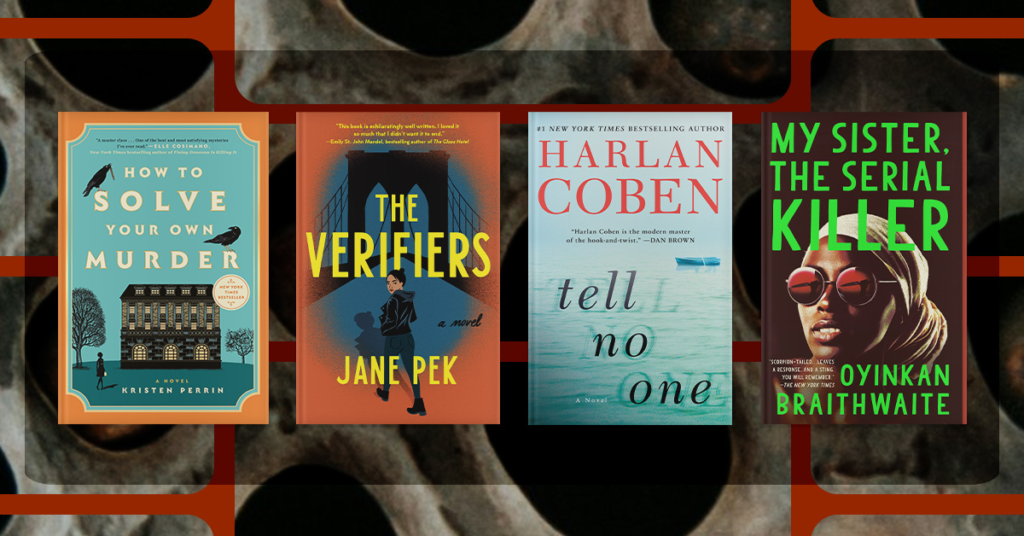
Mystery & Thriller Books: Explore Secrets, Clues & Twists
There is something special about a book that makes you say, “Just one more chapter.”Mystery…

Photography & Visual Art: Inspiring Ideas for Better Photos
A good photograph doesn’t always need an expensive camera, perfect lighting, or a complicated editing…

The Ultimate Guide to Simple Daily Habits for Better Wellness
Wellness doesn’t always require a Healthy Daily Habits: routine, an expensive gym membership, or a…

Networking & Wi-Fi Devices: Complete Guide to Better Internet
A reliable internet connection has become part of everyday life.We use Wi-Fi for work, entertainment,…

How to Tell Captivating Stories That Truly Engage Readers
A good story embodies Storytelling beyond merely passing information from one person to another. It…