

Travel is more than visiting famous places, taking beautiful pictures, and coming home with a suitcase full of souvenirs. It is about experiences, people, food, small discoveries, and the feeling of seeing life from a different point of view.At the same time, a happy lifestyle is not about having a perfect routine every single day. Real life is often messy. We have work, responsibilities, busy schedules, unexpected expenses, and days when we simply want to stay home.The good news is that travel and a better lifestyle do not have to be complicated or expensive. A weekend trip, a walk through a new neighborhood, a meal you’ve never tried before, or a quiet evening with people you love can sometimes make life feel fresh again.This guide shares practical travel and lifestyle tips that can help you explore more, spend wisely, take better care of yourself, and enjoy everyday life.
What Does Travel & Lifestyle Really Mean?

Travel & lifestyle is about finding a healthy balance between exploring the world and enjoying the life you already have.Travel might mean an international vacation, a road trip, a family holiday, or simply visiting a nearby town. Lifestyle includes the choices you make every day—how you spend your time, what you eat, how you relax, who you spend time with, and what makes you feel fulfilled.There is no universal formula for living well.For some people, happiness means traveling several times a year. For others, it means having a comfortable home, spending weekends with family, reading a good book, or enjoying a peaceful morning with coffee.A good lifestyle should fit your real life, not someone else’s Instagram feed.
Why Travel Can Make Life Feel More Meaningful
There is something refreshing about stepping outside your normal routine.
When you travel, even ordinary things can become interesting. A different street, unfamiliar food, a local market, or a conversation with a stranger can stay in your memory for years.
Travel can help you:
- Discover new cultures
- Become more independent
- Try new experiences
- Meet different people
- Break repetitive routines
- Learn about yourself
- Create lasting memories
- Become more open-minded
You don’t have to travel far to experience these benefits. Sometimes a nearby destination is enough to give your mind a much-needed change of scenery.
Plan Your Trip, But Leave Room for Spontaneity
Planning makes travel easier, but overplanning can take some of the fun out of it.
Before leaving, make sure you know the important details, such as transportation, accommodation, budget, weather, and major attractions.
After that, leave some space in your schedule.
| Plan Before You Go | Leave Flexible |
|---|---|
| Hotel or accommodation | Restaurant choices |
| Main transportation | Free-time activities |
| Important tickets | Local walks |
| Travel documents | Shopping |
| Major attractions | Unexpected discoveries |
For example, you might plan to visit a famous museum in the morning but leave the afternoon open. Maybe you’ll find a quiet café, a beautiful park, or a local market that wasn’t in your original plan.
Some of the best travel memories happen when you stop following the schedule for a while.
Set a Travel Budget You Can Actually Afford
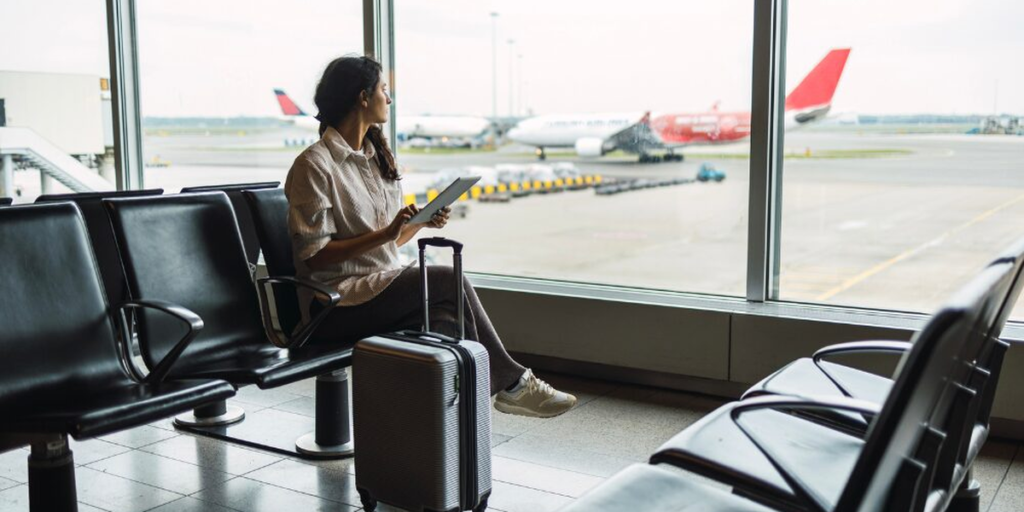
A holiday should create good memories, not months of financial stress afterward.
Before booking anything, decide how much you can comfortably spend. Then divide your budget into categories.
| Expense | Budget Tip |
|---|---|
| Transportation | Compare different travel dates |
| Accommodation | Look beyond expensive hotels |
| Food | Mix restaurants with affordable local food |
| Activities | Choose experiences that matter to you |
| Shopping | Set a fixed shopping limit |
| Emergency money | Keep a small reserve |
You don’t need to make every part of your trip luxurious.
If food is your passion, spend more on memorable meals. If you love nature, spend more on outdoor experiences. Spend your travel money on what you will actually remember.
Travel Light and Pack What You Really Need
Packing too much can turn a simple trip into a luggage-management exercise.
Start with the basics and choose clothing that can be worn in different combinations.
Simple Travel Packing List
- Comfortable clothes
- Walking shoes
- Toiletries
- Phone and charger
- Important documents
- Necessary medication
- Basic personal-care items
- Weather-appropriate clothing
- Reusable water bottle
One practical rule is to ask yourself: “Will I realistically use this?”
If the answer is probably no, leave it at home.
Traveling with less luggage means less carrying, less searching, and fewer things to worry about.
Choose Comfort Over Impressing People
Travel photos often make everything look glamorous.
But real travel involves walking, waiting, carrying bags, changing transportation, and occasionally getting lost.
That is why comfortable shoes, practical clothing, enough rest, and realistic schedules can matter more than looking perfect.
You are traveling to enjoy yourself—not to win a fashion competition.
Wear what makes you comfortable and pack what makes your trip easier.
Make Local Food Part of Your Travel Experience
Food is one of the easiest ways to understand a new destination.
Instead of eating only familiar meals, try something local. Visit a traditional restaurant or market. Ask someone what they recommend.
You might discover a new favorite dish.
You might also try something you don’t like.
That’s okay.
Not every experience has to be perfect to be memorable.
Food can tell you about a region’s history, traditions, ingredients, and people. Even a simple local breakfast can become one of those small memories you think about later.
Respect Local Culture and Traditions

eing a good traveler means remembering that you are visiting someone else’s community.
Before traveling, learn a little about local customs and expectations.
Pay attention to:
- Appropriate clothing
- Religious traditions
- Photography rules
- Local etiquette
- Public behavior
- Environmental rules
- Tipping customs
- Basic local greetings
You don’t need to know everything.
Learning a simple “hello,” “please,” or “thank you” in the local language can show genuine respect.
The goal isn’t to behave perfectly. The goal is to travel with curiosity instead of assumptions.
Take Care of Your Health While Traveling
Travel can disrupt your normal routine.
You may sleep at unusual times, eat differently, walk much more than usual, or spend hours sitting during transportation.
Try to maintain a few basic habits.
Drink water, get enough rest, eat reasonably well, and give yourself time to recover.
You don’t need to follow a strict fitness plan while you’re on vacation.
If you normally exercise, keep moving in a way that feels enjoyable. A long walk through a new city can be exercise and sightseeing at the same time.
Simple Travel Wellness Habits
| Habit | Why It Helps |
|---|---|
| Stay hydrated | Helps you feel energized |
| Sleep properly | Supports recovery |
| Walk regularly | Keeps you active |
| Eat balanced meals | Supports energy |
| Take breaks | Prevents unnecessary exhaustion |
| Limit excessive screen time | Helps you stay present |
Don’t Try to See Everything
One common travel mistake is trying to visit every attraction in a short period.
You wake up early, rush to breakfast, visit three attractions, take dozens of pictures, travel across town, and finally return to your hotel exhausted.
You technically saw everything.
But did you enjoy it?
Slow travel can sometimes create better memories than rushed travel.
Choose a few places that genuinely interest you. Give yourself time to sit, observe, eat, walk, and simply enjoy where you are.
You don’t need to turn your holiday into a checklist.
Bring Some Travel Inspiration Into Everyday Life

You don’t need to wait for your next vacation to make life more interesting.
Try bringing small elements of travel into your normal routine.
Cook food from another country. Watch a documentary about a destination. Visit a new restaurant. Explore a neighborhood you’ve never properly walked through.
Even a Sunday day trip can feel like a mini-adventure.
This is especially helpful when work or finances make frequent travel difficult.
A meaningful lifestyle isn’t created only through big experiences. Small experiences count too.
Create a Lifestyle That Actually Feels Like Yours
It’s easy to compare your life with other people’s lives.
You see someone traveling every month, staying in beautiful hotels, eating at expensive restaurants, and posting perfect photographs.
But social media rarely shows the full story.
You don’t see the delayed flight, unexpected expenses, tired mornings, or stressful moments behind the picture.
Instead of asking, “Why don’t I live like them?”, ask:
“What kind of life would actually make me happy?”
Your answer might include:
- More time with family
- More outdoor activities
- Less screen time
- Better health habits
- More travel
- More creative hobbies
- A peaceful home
- Better work-life balance
There is no wrong answer.
Make Time for People Who Matter
A good lifestyle is not only about destinations and possessions.
Relationships are a huge part of a happy life.
Traveling with friends or family can create memories that last much longer than the trip itself. Even when you aren’t traveling, simple activities—having dinner together, taking a walk, or talking over tea—can make ordinary days feel meaningful.
Try not to let busy schedules completely replace personal connections.
Sometimes one honest conversation is more valuable than another hour of scrolling online.
Use Technology Without Missing the Moment
Your smartphone can be extremely useful while traveling.
You can use it for:
- Maps
- Translation
- Tickets
- Hotel bookings
- Travel information
- Emergency contacts
- Photography
- Communication
But remember to occasionally put it away.
Take the photo, then look at the view with your own eyes.
You don’t have to document every moment to prove that you enjoyed it.
Some memories are better when they remain yours rather than becoming another social media post.
Travel Sustainably When You Can

Beautiful destinations belong to everyone, including future travelers.
Small responsible choices can help protect them.
Consider:
- Using public transportation where practical
- Carrying reusable items
- Avoiding unnecessary plastic
- Supporting local businesses
- Respecting wildlife
- Staying on marked paths
- Avoiding litter
- Being mindful of local resources
Sustainable travel doesn’t mean you have to be perfect.
It simply means thinking about the impact of your choices.
Turn Travel Into Personal Growth
Travel can teach lessons that don’t always come from books.
You may learn how to navigate unfamiliar places, communicate with different people, solve unexpected problems, and remain calm when plans change.
Maybe your train is late. Maybe the restaurant you wanted is closed. Maybe you accidentally take the wrong bus.
At first, these things can be frustrating.
Later, they often become stories you laugh about.
Travel teaches flexibility because things rarely go exactly according to plan.
That ability to adapt can also help you in everyday life.
Find Happiness in Ordinary Days
A happy lifestyle doesn’t require something exciting to happen every day.
Some of the best moments can be incredibly simple:
A quiet morning. A favorite meal. A walk after dinner. A good conversation. A funny message from a friend. A beautiful sunset.
We sometimes spend so much time waiting for holidays and major achievements that we forget to enjoy the ordinary days between them.
Try noticing the small things.
You might be surprised by how much happiness is already present in your routine.
Create Your Own Travel and Lifestyle Balance
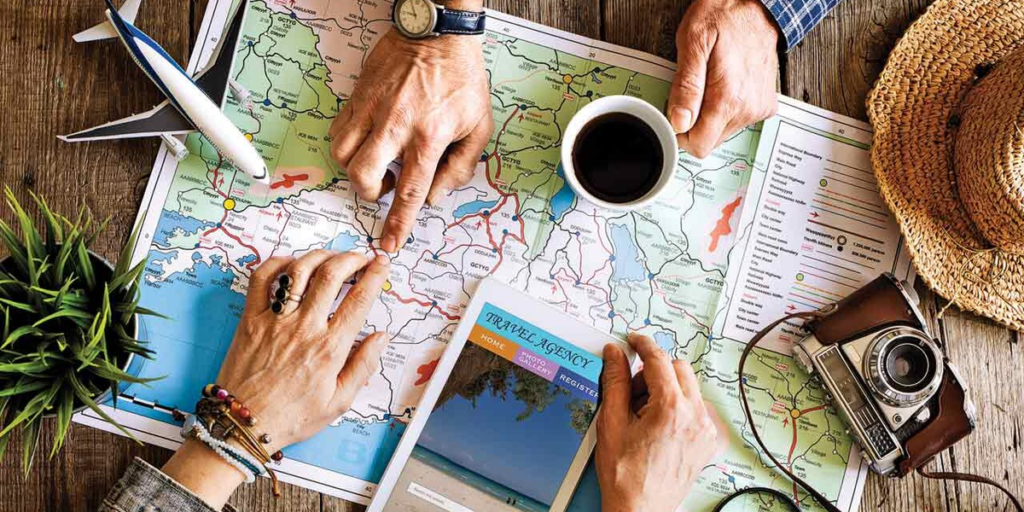
A balanced lifestyle could look different for everyone.
| If You Value… | You Might Enjoy… |
|---|---|
| Adventure | Hiking and road trips |
| Relaxation | Beach or nature getaways |
| Food | Culinary travel |
| Culture | Museums and historic cities |
| Family | Comfortable family holidays |
| Budget travel | Local trips and affordable stays |
| Personal growth | Solo travel and new experiences |
The important thing is to choose experiences based on your personality and priorities.
You don’t have to travel the way other people travel.
FAQ’S
1. What does travel and lifestyle mean?
Travel and lifestyle is about exploring new places while creating an enjoyable, balanced, and meaningful everyday life. It includes travel, wellness, food, relationships, hobbies, and personal experiences.
2. How can I travel better?
You can travel better by planning your important details, setting a realistic budget, packing light, staying flexible, and taking time to enjoy the destination instead of rushing through every attraction.
3. How can I travel on a small budget?
Choose affordable accommodation, compare transportation prices, travel during less busy periods, eat at local restaurants, and look for free or low-cost attractions. Planning ahead can also help prevent unnecessary spending.
4. Is it better to plan everything before traveling?
Not necessarily. Plan important things such as accommodation and transportation, but leave some free time. A flexible itinerary gives you room for unexpected experiences and spontaneous discoveries.
5. How can I make travel more enjoyable?
ocus on experiences rather than checking places off a list. Try local food, explore at a comfortable pace, talk to people, take breaks, and spend some time enjoying your surroundings without constantly using your phone.

Dialogue Writing Tips: Make Your Characters Feel Real
Good dialogue can make a story feel alive. You can have a fascinating plot, beautiful…

Mystery & Thriller Books: Explore Secrets, Clues & Twists
There is something special about a book that makes you say, “Just one more chapter.”Mystery…
Photography & Visual Art: Inspiring Ideas for Better Photos
A good photograph doesn’t always need an expensive camera, perfect lighting, or a complicated editing…

The Ultimate Guide to Simple Daily Habits for Better Wellness
Wellness doesn’t always require a Healthy Daily Habits: routine, an expensive gym membership, or a…
Networking & Wi-Fi Devices: Complete Guide to Better Internet
A reliable internet connection has become part of everyday life.We use Wi-Fi for work, entertainment,…

How to Tell Captivating Stories That Truly Engage Readers
A good story embodies Storytelling beyond merely passing information from one person to another. It…