Maybe you have had one of those evenings.Literature Maybe you have had one of those evenings. The day has been long, your mind is tired, and you finally sit somewhere quiet with a cup of tea. You open a book, read a few pages, and slowly feel yourself leaving the noise of the day behind.
The day has been long, your mind is tired, and you finally sit somewhere quiet with a cup of tea. You open a book, read a few pages, and slowly feel yourself leaving the noise of the day behind.
There are moments when a book feels like much more than a book.
That is one of the simple joys of reading.
Books don’t ask us to hurry. They don’t care how busy we are or how many notifications are waiting on our phones. They simply wait for us.
Sometimes a book teaches us something.
Sometimes it makes us laugh.
Sometimes it puts a feeling into words that we couldn’t explain ourselves.
And sometimes, honestly, we read simply because we want to disappear into a story for a little while.
That is the beauty of books and literature. There is no single right way to experience them.
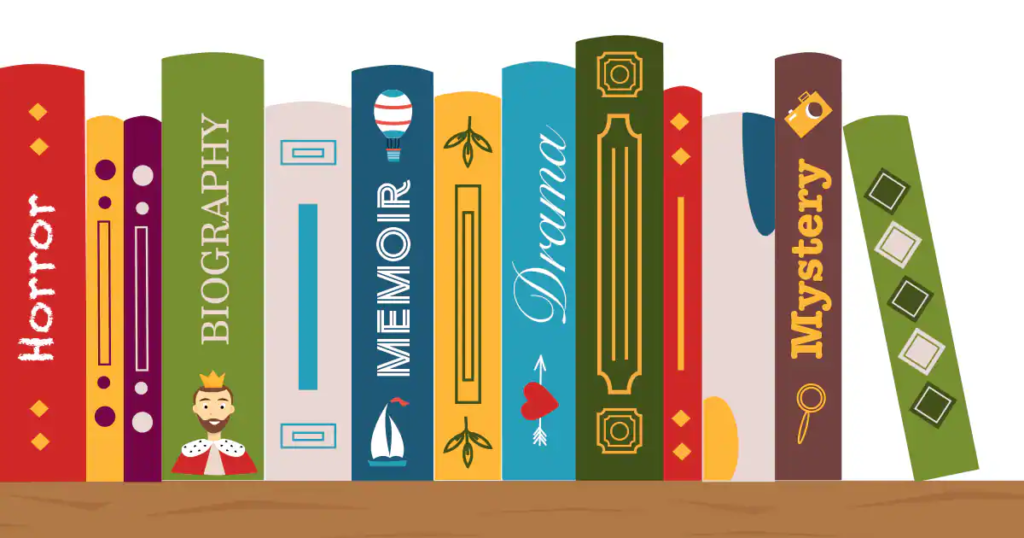
Whether you love novels, poetry, biographies, mysteries, romance, fantasy, history, or self-help books, there is something out there for you.
You just have to find it.
What Are Books and Literature?
A book is a way of collecting and sharing ideas, stories, information, experiences, and imagination.
Literature goes a little deeper. It includes creative forms of writing such as novels, short stories, poetry, plays, essays, and other works that explore human thoughts and experiences.
When people hear the word “literature,” they sometimes imagine old books, complicated language, and school assignments.
But literature doesn’t have to feel like homework.
A story about two people falling in love is literature.
A poem about missing someone can be literature.
A memoir about growing up can be literature.
A novel about an imaginary world can be literature.
At its heart, literature is simply one of the ways humans make sense of life and share it with one another.
Why Do People Love Reading Books?
Ask ten readers why they read, and you’ll probably get ten different answers.
One person may read before sleeping.
Another may read during a train journey.
Someone else might keep a book beside their coffee every morning.
And there are people who read five books at once and somehow remember where they left every bookmark.
Reading is personal.
| Why People Read | What Reading Can Give You |
|---|---|
| Learning | Knowledge and new ideas |
| Relaxation | A peaceful break from daily life |
| Entertainment | Stories, humor, adventure, and excitement |
| Inspiration | Motivation and fresh perspectives |
| Escape | A chance to step away from everyday worries |
| Self-understanding | Time to reflect on your own thoughts |
| Empathy | A better understanding of other people |
| Imagination | New worlds, possibilities, and ideas |
| Connection | A feeling of being understood |
There is no need to make reading sound more complicated than it is.
If a book makes your life a little richer, it has already given you something valuable.
Understanding Book Genres
One of the easiest ways to discover books you enjoy is to understand different genres.
A genre is simply a category used to describe the type or style of a book.
But don’t take genres too seriously.
Books are messy in the best possible way.
A romance can be funny.
A mystery can be romantic.
A historical novel can be full of adventure.
A fantasy story can explore very real problems such as grief, friendship, loneliness, or courage.
Genres are useful because they give us a starting point, not because they put every book into a perfect little box.
Fiction
Fiction includes stories created from imagination.
The characters and events may be invented, but the emotions often feel very real.
You might read about a detective trying to solve a strange case, a family dealing with change, or someone searching for a place where they finally feel at home.
Popular fiction genres include:
- Romance
- Mystery
- Thriller
- Fantasy
- Science fiction
- Historical fiction
- Horror
- Adventure
- Literary fiction
- Young adult fiction
The wonderful thing about fiction is that it lets you borrow someone else’s life for a few hours.
You can travel somewhere you’ve never been without leaving your chair.
Nonfiction
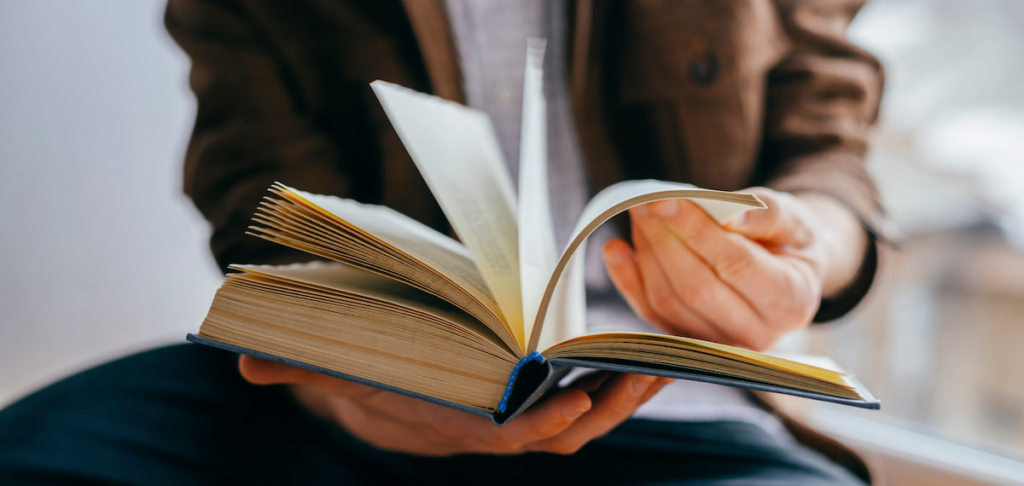
Nonfiction focuses on real people, experiences, events, facts, and ideas.
Popular nonfiction categories include:
- Biography
- Memoir
- History
- Psychology
- Science
- Business
- Self-help
- Philosophy
- Travel
- Personal development
A good nonfiction book can change the way you look at something ordinary.
You may finish a chapter and think, “I never thought about it that way before.”
Those moments are often why nonfiction is worth reading.
Poetry
Poetry is different from ordinary writing.
It often uses rhythm, imagery, sound, emotion, and carefully chosen words to express something deeply.
A poem doesn’t have to explain everything.
Sometimes it simply captures a moment.
The smell of rain.
A goodbye.
A childhood memory.
A quiet morning.
A feeling you couldn’t put into a normal sentence.
Poetry gives small moments room to breathe.
Drama and Plays
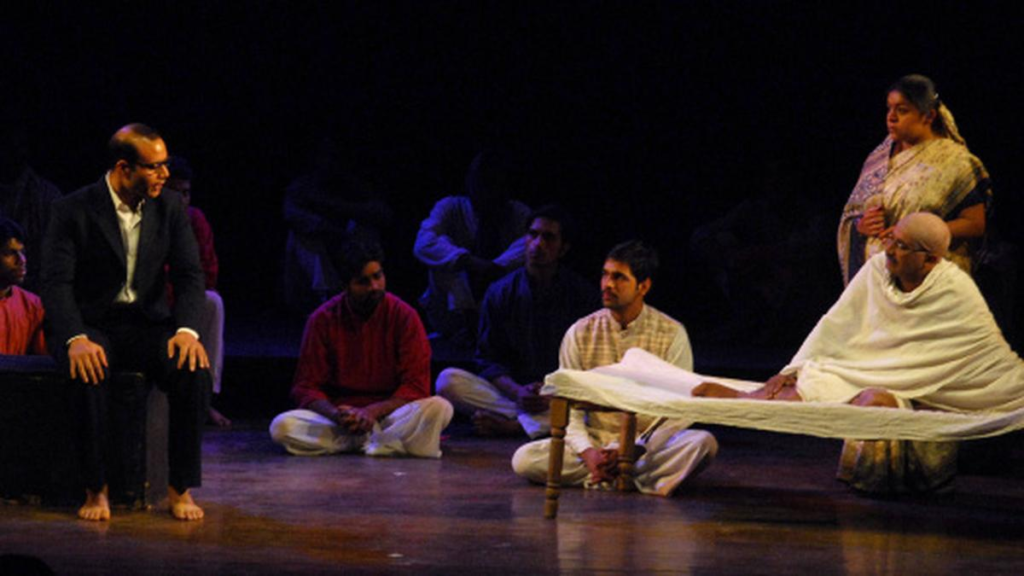
Drama is literature written to be performed.
Plays use dialogue, characters, scenes, actions, and conflict to tell a story.
Reading a play can feel slightly unusual at first because you’re often given less description than you would find in a novel.
Your imagination has to fill in some of the gaps.
And that’s part of the fun.
Popular Book Genres at a Glance
| Genre | What You Might Enjoy |
|---|---|
| Romance | Love, relationships, emotional journeys |
| Mystery | Clues, secrets, investigations |
| Thriller | Suspense, danger, unexpected twists |
| Fantasy | Magic, mythical worlds, imagination |
| Science Fiction | Technology, science, future possibilities |
| Historical Fiction | Stories inspired by the past |
| Horror | Fear, darkness, supernatural elements |
| Adventure | Journeys, challenges, exploration |
| Literary Fiction | Character, emotion, ideas, human experiences |
| Biography | The life of a real person |
| Memoir | Personal memories and experiences |
| Self-Help | Personal growth and practical advice |
| Poetry | Emotion, imagery, rhythm, and expression |
How to Find Books You Will Actually Enjoy
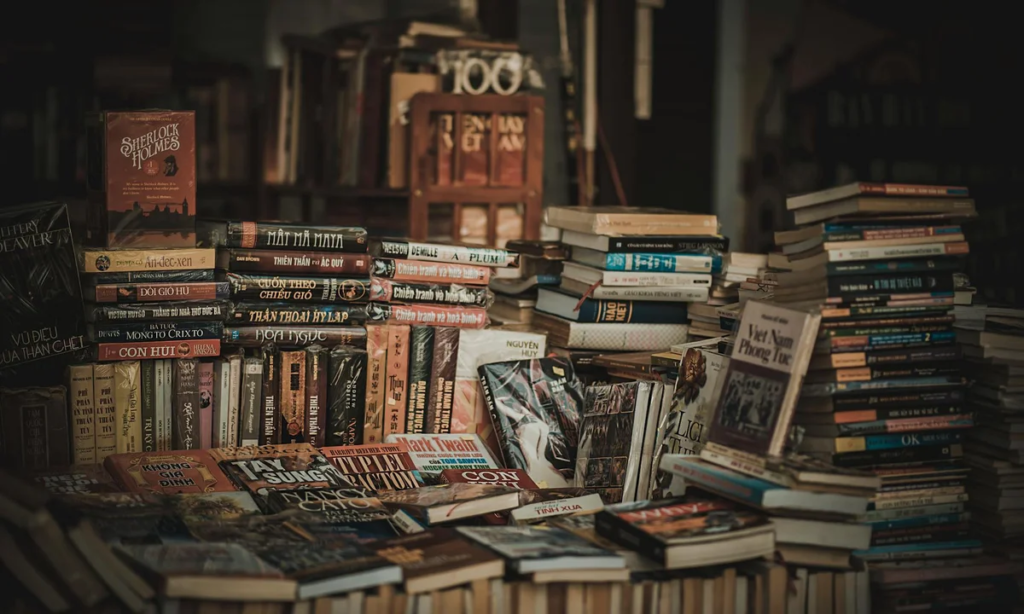
This sounds simple, but finding the right book can sometimes be surprisingly difficult.
Walk into a bookstore and you’ll see hundreds or thousands of choices.
Open an online bookstore and the list becomes even bigger.
So where do you begin?
Start with yourself.
Think about the things that naturally make you curious.
Maybe you enjoy learning about human behavior.
Maybe you love stories about family.
Maybe you are fascinated by history.
Maybe you want something light and funny after a difficult week.
Maybe you simply want a book that helps you slow down.
Those little preferences are useful clues.
Follow Your Curiosity
Don’t choose a book just because everyone else is reading it.
Popularity can be helpful, but it doesn’t guarantee that you’ll connect with a book.
If you love solving puzzles, try a mystery.
If you enjoy imaginary worlds, explore fantasy.
If real people’s lives interest you, try biographies or memoirs.
If you want practical advice, explore nonfiction.
Your curiosity is one of the best book recommendation systems you have.
How to Choose a Good Book
Before committing to a book, take a few minutes to get a feel for it.
| What to Look At | Why It Matters |
|---|---|
| Title and cover | Gives you an initial sense of the book |
| Description | Explains the main idea or story |
| Genre | Helps set expectations |
| Author | May introduce you to a writing style you enjoy |
| Reviews | Can reveal common reader reactions |
| Sample pages | Lets you experience the writing |
| Length | Helps you choose something realistic |
If possible, read a few pages before buying or starting a book.
Sometimes the description sounds fantastic, but the writing style simply doesn’t click.
And that’s okay.
Not every good book is your book.
Is It Okay to Stop Reading a Book?

Yes.
Please don’t feel guilty about this.
Many readers have a strange belief that finishing every book is some kind of achievement.
It isn’t.
Maybe the book is too slow.
Maybe the characters aren’t connecting with you.
Maybe the subject doesn’t interest you anymore.
Or perhaps you simply picked it up at the wrong point in your life.
Put it down.
You can always return to it later.
There are far too many wonderful books in the world to spend months forcing yourself through one you don’t enjoy.
How to Build a Reading Habit
You don’t need to announce a huge goal like, “I’m going to read 50 books this year!”
If that motivates you, great.
But if it makes reading feel like another responsibility, start smaller.
Try reading for 10 or 15 minutes a day.
That’s enough.
Maybe you read after dinner.
Maybe you read before bed.
Maybe you read while having your morning coffee.
Small habits can become surprisingly strong when you repeat them.
| Reading Goal | Simple Habit |
|---|---|
| Read more often | Read 10–15 minutes daily |
| Finish books | Keep a regular reading time |
| Stay focused | Put your phone away |
| Remember useful ideas | Write a few notes |
| Explore new genres | Try one unfamiliar genre |
| Avoid pressure | Read at your own pace |
Think about a tree.
It doesn’t grow several feet overnight.
It grows quietly.
A little sunlight here.
A little water there.
And eventually, you notice that it has become something much bigger.
Reading habits work the same way.
How to Read More Without Feeling Pressured

Life is busy.
Between work, family, messages, social media, responsibilities, and everything else, finding quiet time can be difficult.
So don’t wait for the perfect two-hour reading window.
It may never come.
Instead, find small pockets of time.
Read:
- While drinking your morning tea
- Before going to sleep
- During a lunch break
- While traveling
- On a quiet Sunday afternoon
- While waiting for an appointment
Even ten peaceful minutes can make a difference.
Create a Small Reading Ritual
You don’t need a huge home library.
A comfortable chair, a warm drink, decent lighting, and a book are enough.
Perhaps you like reading near a window.
Maybe you enjoy sitting outside when the weather is pleasant.
Maybe your favorite reading place is simply your bed at the end of a long day.
There is no perfect setup.
Create a place where your mind naturally feels ready to slow down.
Physical Books, Ebooks, or Audiobooks?
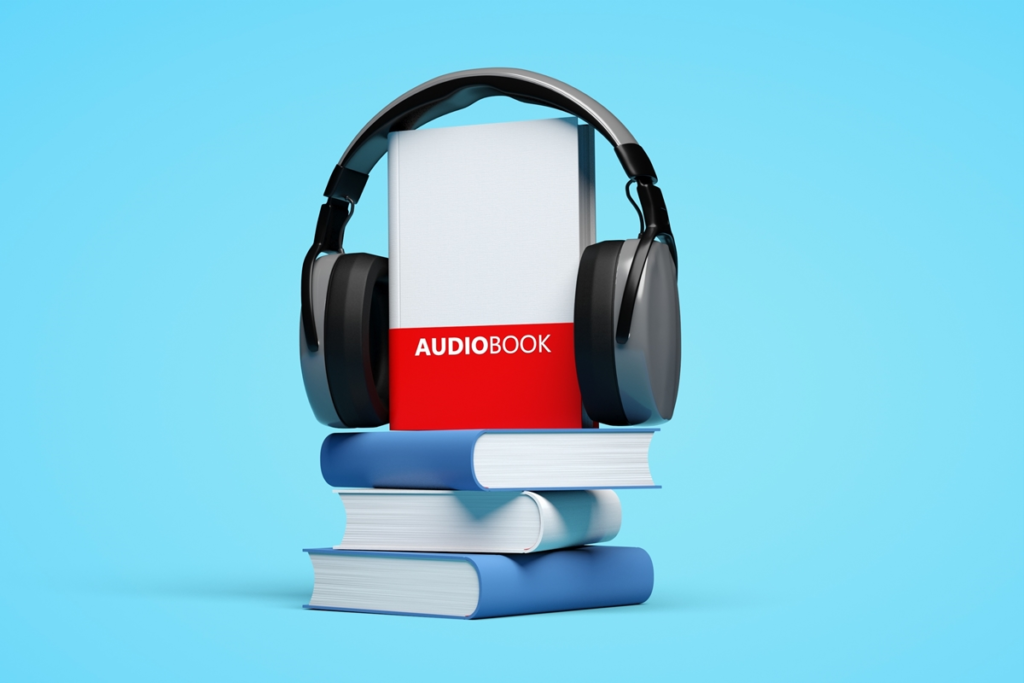
There is no universal winner.
Some people love physical books because they enjoy the feeling of paper between their fingers.
Some readers prefer ebooks because they can carry an entire library in a small device.
Others love audiobooks because they can listen while walking, driving, cooking, or doing household chores.
| Format | Good For |
|---|---|
| Physical Books | Relaxed, screen-free reading |
| Ebooks | Portability and convenience |
| Audiobooks | Listening while traveling or doing tasks |
| Large Print Books | Comfortable reading |
| Library Books | Affordable access to many titles |
Choose whatever makes reading easier for you.
The best reading format is the one you actually enjoy using.
Discovering Different Authors
Every author sees the world a little differently.
That’s part of what makes books interesting.
Two writers can take the same basic idea and turn it into completely different stories.
One might write with short, sharp sentences.
Another might fill pages with beautiful descriptions.
One may focus heavily on dialogue.
Another may spend more time inside a character’s thoughts.
As you read, you will slowly discover which writing styles speak to you.
Don’t Be Afraid to Explore
If you love one author, read another book by them.
Then, when you’re ready, try someone completely different.
Your reading taste will probably change over time.
That’s normal.
The books you loved when you were younger may not be the books you reach for today.
We grow, our lives change, and our reading changes with us.
Classic Literature vs. Modern Literature

Classic literature can introduce readers to ideas, cultures, and writing styles from another time.
Modern literature often reflects contemporary experiences and current social questions.
Both can be meaningful.
| Classic Literature | Modern Literature |
|---|---|
| Historical perspective | Contemporary experiences |
| Older language and styles | Modern language |
| Literary traditions | New storytelling approaches |
| Historical context | Current themes |
| Influential works | Emerging voices |
Don’t feel that you have to read classics simply to call yourself a “serious reader.”
Read them when you’re curious.
Read modern books when they speak to you.
Reading isn’t a test of intelligence. It’s an experience.
How Literature Helps Us Understand People
This may be one of the most beautiful things books can do.
A story can introduce you to a person whose life is completely different from yours.
Different country.
Different culture.
Different family.
Different beliefs.
Different struggles.
And yet you may recognize the fear in their heart.
Or their hope.
Or their loneliness.
Or their excitement.
Suddenly, someone who seemed completely unfamiliar feels a little more human.
Stories create bridges between people.
That is why literature can be so powerful.
It doesn’t just tell us what happened.
Sometimes it helps us understand what it felt like.
How to Get More From the Books You Read
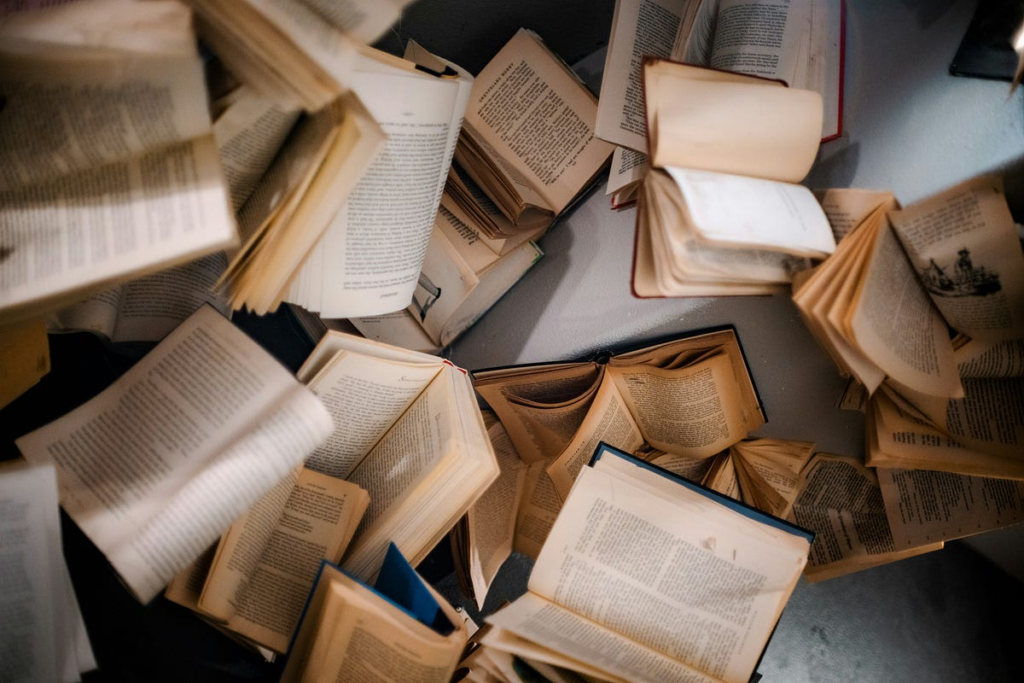
You don’t have to analyze every book.
Sometimes you should simply enjoy the story.
But when a book really catches your attention, pause for a moment.
Ask yourself:
- What did I enjoy about this book?
- Which character felt most real to me?
- What surprised me?
- Did anything make me emotional?
- Did the book change my opinion about something?
- Is there an idea I want to remember?
- Why do I think this story stayed with me?
You can underline a sentence.
Write a thought in the margin.
Keep a reading journal.
Or do absolutely nothing.
There is no rule that says you must turn reading into an assignment.
Keep a Simple Reading List
Have you ever finished a great book and immediately thought:
“Now what am I going to read?”
A simple reading list can help.
Create three sections:
- Want to Read
- Currently Reading
- Finished
You can also add a sentence about each book.
For example:
“Beautiful story, but the ending felt rushed.”
Or:
“Didn’t expect to love this one as much as I did.”
Those little comments become a personal record of your reading journey.
Over time, your list becomes more than a list.
It becomes a kind of map of who you were at different points in your life.
Common Reading Mistakes to Avoid
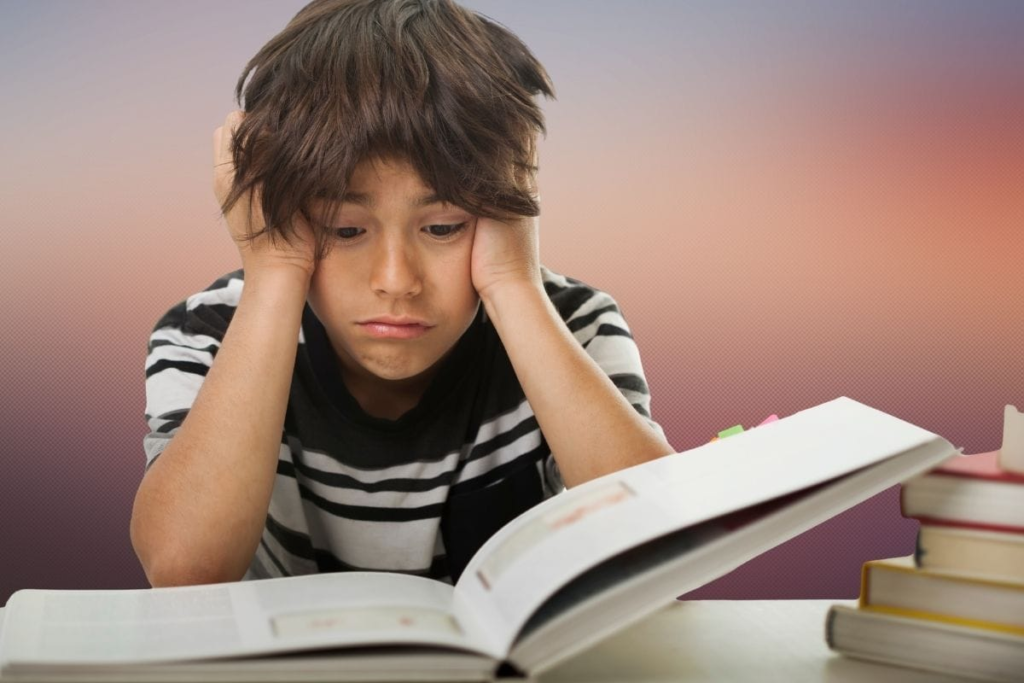
Reading should make life richer, not create another source of pressure.
| Common Mistake | Try This Instead |
|---|---|
| Reading only popular books | Follow your own interests |
| Forcing yourself to finish everything | Give yourself permission to stop |
| Comparing your reading speed | Read at your own pace |
| Choosing difficult books to impress others | Choose books you genuinely enjoy |
| Buying more books than you read | Read what you already own |
| Treating reading like a competition | Focus on what you learn or feel |
| Avoiding unfamiliar genres | Try something different occasionally |
There is no prize for reading a book you hated just because you started it.
And there is no shame in loving a simple, easy-to-read story.
Books are meant to be experienced, not used to impress people.
How to Become a Better Reader
Being a better reader doesn’t necessarily mean reading faster.
It means becoming more curious, attentive, and open-minded.
Read Regularly
Even a few pages a day can make reading feel natural.
Explore Different Genres
Don’t let yourself get trapped in one category forever.
Try something unexpected once in a while.
Give Stories Time
Some books take a little while to find their rhythm.
If you’re enjoying the journey, allow it to unfold.
Talk About Books
Discuss books with friends, family, book clubs, or other readers.
Someone else’s opinion can sometimes make you notice something you completely missed.
Revisit Old Favorites
This is one of the nicest things about books.
Read a favorite book again after several years.
You may discover that the story hasn’t changed—but you have.
A sentence that once seemed ordinary might suddenly feel deeply personal.
A Simple Monthly Reading Plan
If you’re trying to rebuild your reading habit, keep it realistic.
| Week | Goal |
|---|---|
| Week 1 | Read for 10 minutes each day |
| Week 2 | Keep the same daily routine |
| Week 3 | Try a different genre |
| Week 4 | Finish a book and reflect on it |
If you miss a day, don’t throw away the whole plan.
Just start again.
One missed day doesn’t erase your progress.
FAQ’S
1. What is literature?
Literature is written or spoken work that shares ideas, emotions, experiences, and stories. It includes novels, poetry, plays, essays, short stories, and many other forms of creative expression.
2. What are the main types of bookS?
he main types include fiction, nonfiction, poetry, drama, biographies, memoirs, self-help, history, romance, mystery, fantasy, and science fiction. Each type offers a different way to learn, imagine, or connect with a story.
3. What are the most popular book genres?
Popular genres include romance, mystery, thriller, fantasy, science fiction, historical fiction, horror, biography, self-help, and literary fiction. Your favorite genre often depends on your mood, interests, and personal experiences.
4. What is the difference between fiction and nonfiction?
Fiction is usually created from imagination, while nonfiction focuses on real people, events, facts, or experiences. Both can be meaningful—one may take you into an imaginary world, while the other can help you understand the real one.
5. How do I choose a good book to read?
Start with something that genuinely interests you. Think about topics you enjoy, genres you already like, or questions you are curious about. You can also explore recommendations from friends, libraries, book communities, or trusted reviews.